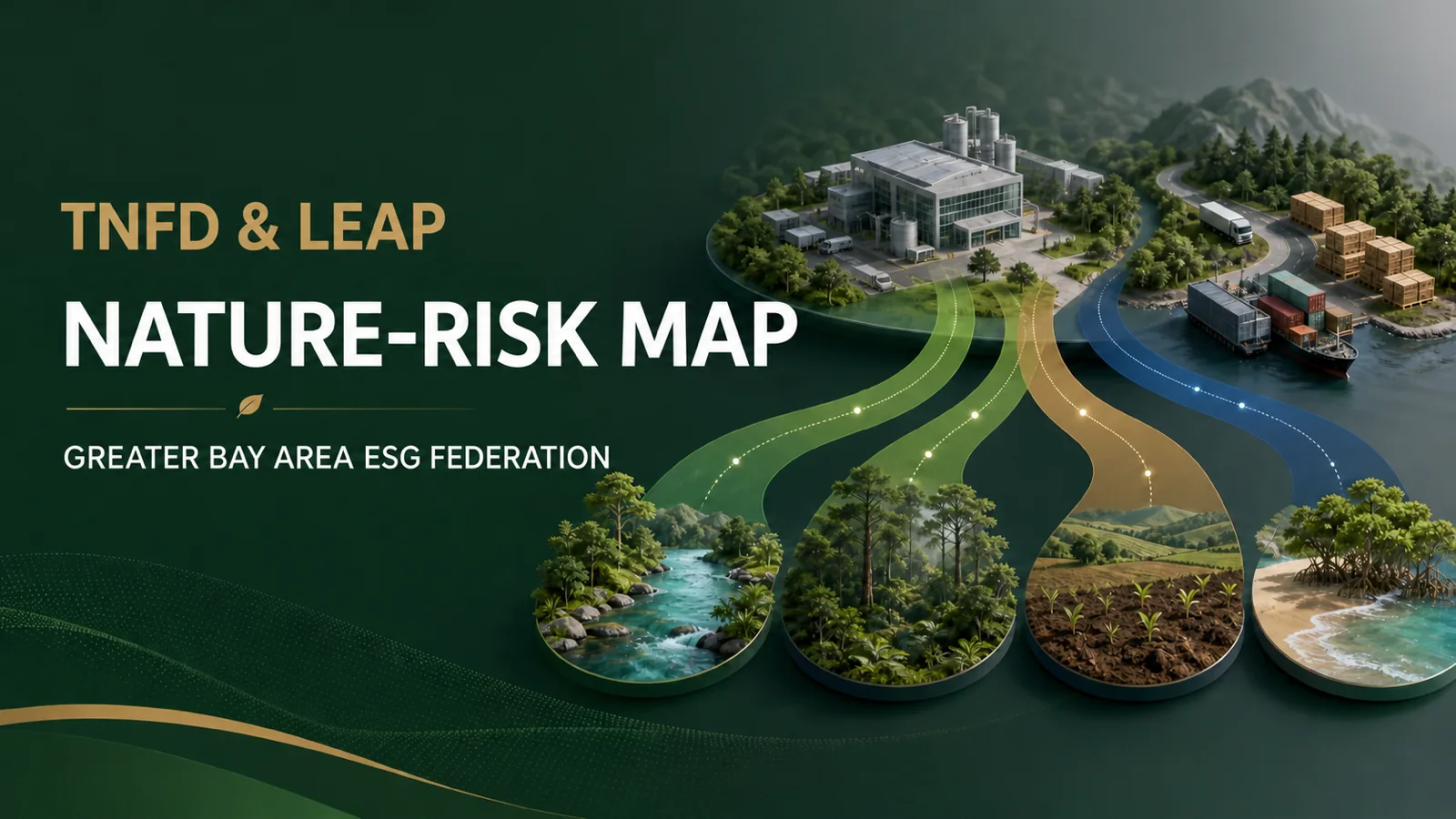
TNFD and LEAP: A First Nature-Risk Assessment for Business
Start with location, then assess dependencies, impacts, risks and opportunities through the TNFD LEAP approach before choosing metrics and responses.
Read article
ESG Knowledge
Source-led ESG guidance organised around enterprise governance, sustainable finance, GBA collaboration, social impact and public governance.
Start with location, then assess dependencies, impacts, risks and opportunities through the TNFD LEAP approach before choosing metrics and responses.
Read article
A practical guide to board oversight, management accountability, risk integration and decision-useful ESG metrics for organisations beginning their governance journey.
Read article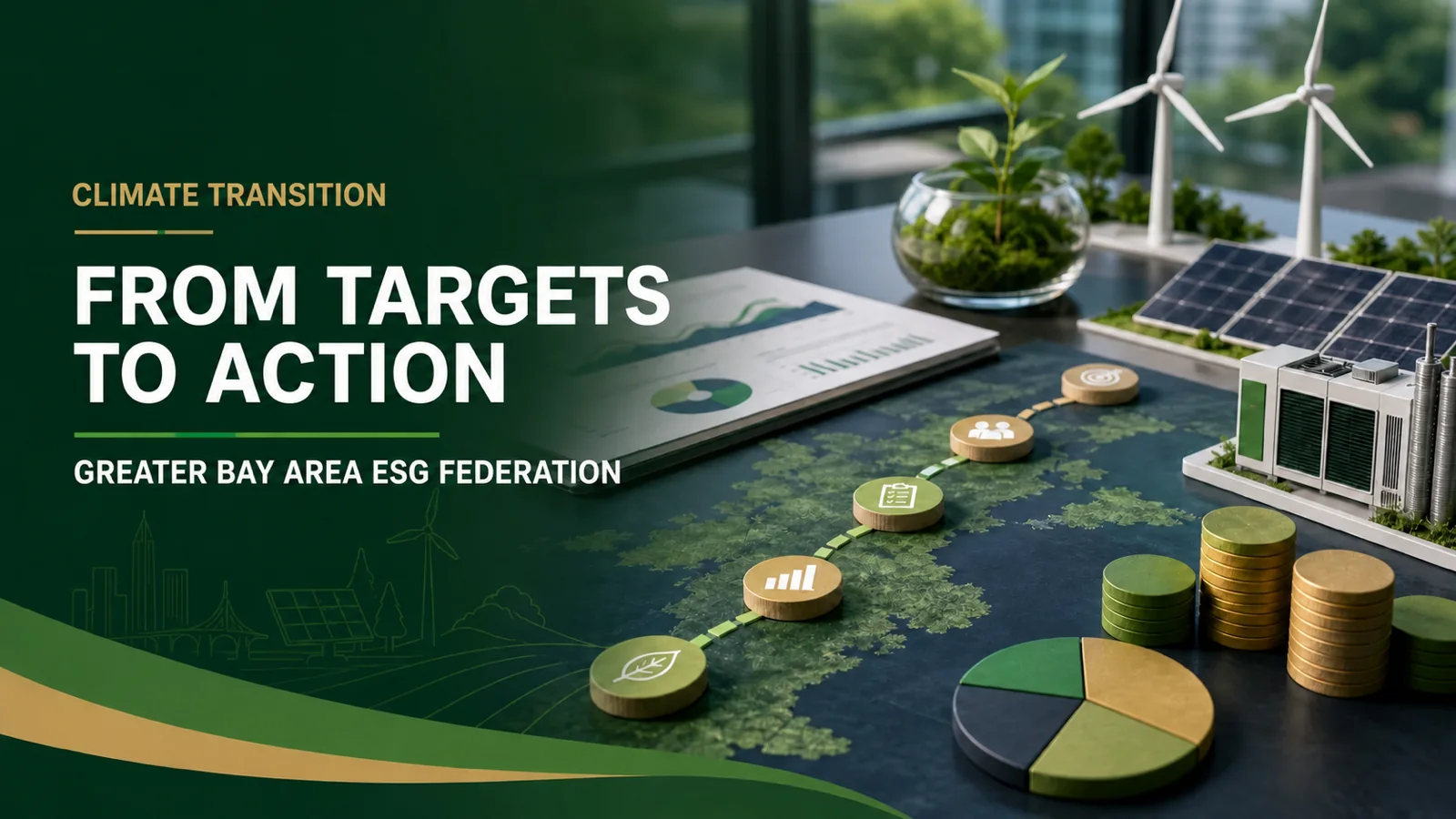
Build a credible transition plan with baselines, actions, milestones, financing, dependencies, governance and transparent progress reporting.
Read article
Understand how IFRS S1 and IFRS S2 work together, what investor-focused materiality means and how Hong Kong organisations can prepare a controlled disclosure programme.
Read article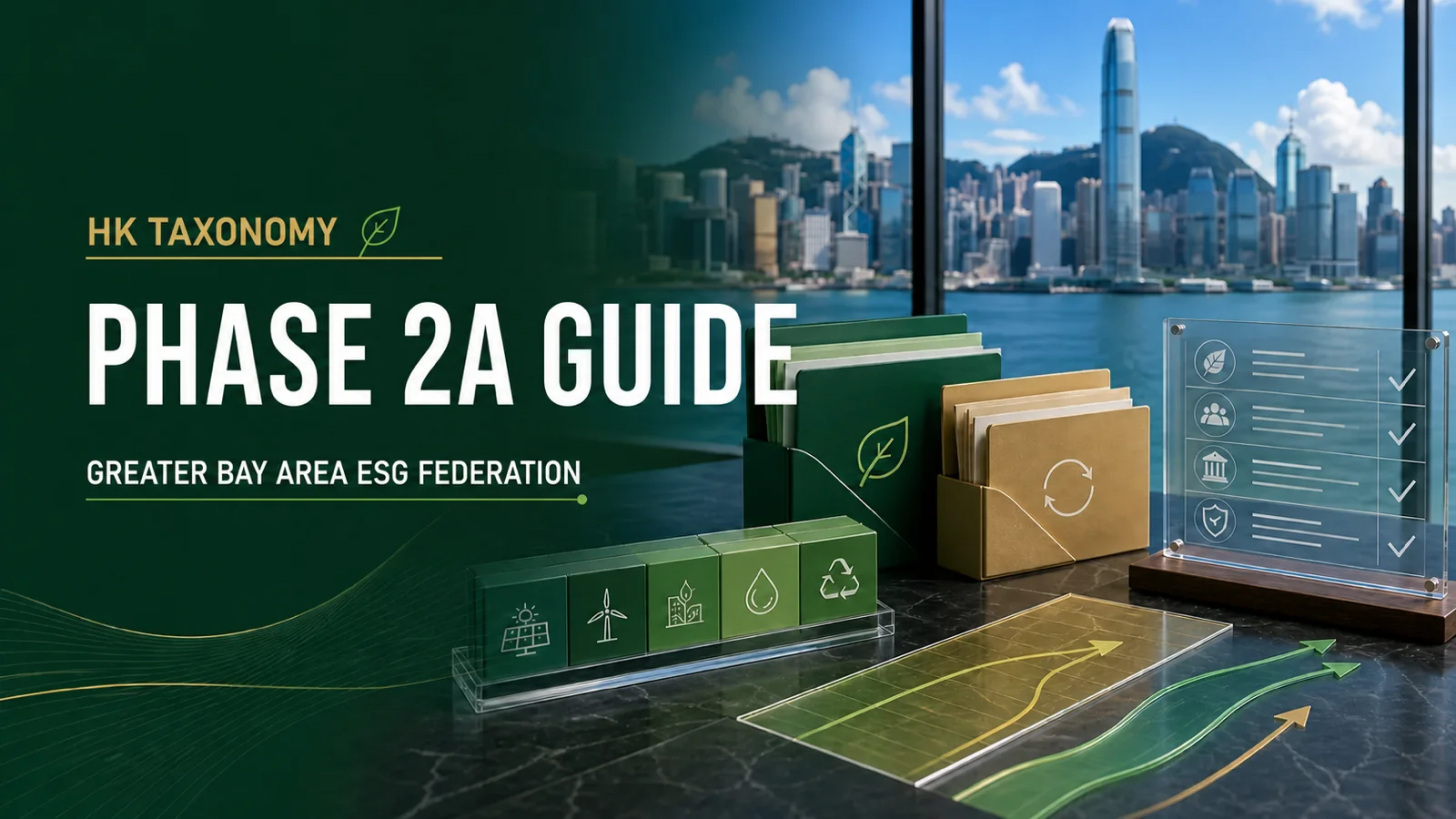
Understand the role, structure and limits of Hong Kong’s updated taxonomy, including green, transition and climate-adaptation activities.
Read article
Turn phased HKEX climate requirements into a controlled work programme covering governance, strategy, risks, emissions, scenarios and financial effects.
Read article
Map affected people, identify risks, create accessible grievance channels and track effective remedy across employees, contractors and supply chains.
Read article
A clear guide to organisational boundaries, direct emissions, purchased energy and value-chain emissions, with controls for a repeatable inventory.
Read article
A proportionate twelve-week plan to establish ownership, material priorities, controlled baseline data, practical actions and an honest first disclosure.
Read article
Prioritise suppliers, define a minimum data set, grade evidence quality and replace broad estimates through a staged Scope 3 engagement programme.
Read article
A structured materiality process that connects stakeholder evidence, business effects, impacts, management action and documented prioritisation decisions.
Read article
Create definitions, source evidence, calculation controls, reviews and correction logs so ESG figures can be reproduced and used with confidence.
Read article
Help boards focus on material judgements, risk, resources, targets and corrective action instead of reviewing a large but decision-poor dashboard.
Read article
Review environmental wording, scope, comparisons, imagery, labels and omitted information so public claims do not go beyond available evidence.
Read article
A risk-based cycle for identifying supplier impacts, setting expectations, improving performance, tracking outcomes and escalating serious issues.
Read article
Use need, utilisation, durability, repair, business models and end-of-life pathways to make procurement decisions that support a more circular economy.
Read article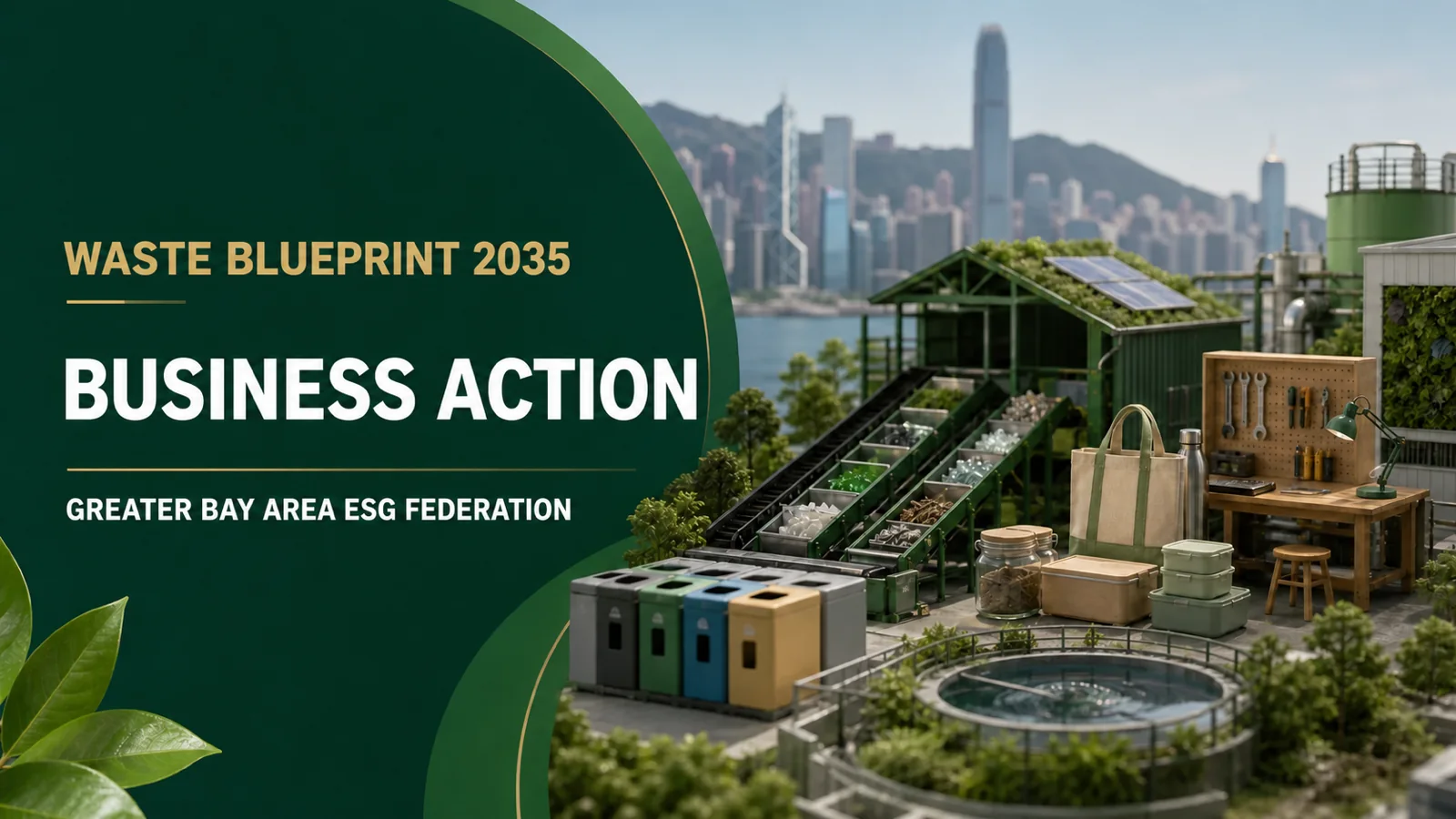
Turn Hong Kong’s resource-circulation direction into material-flow mapping, waste prevention, reuse, recycling controls and better procurement decisions.
Read article
Compare building materials using consistent function, quantity, lifetime, system boundaries and evidence rather than a single product carbon number.
Read article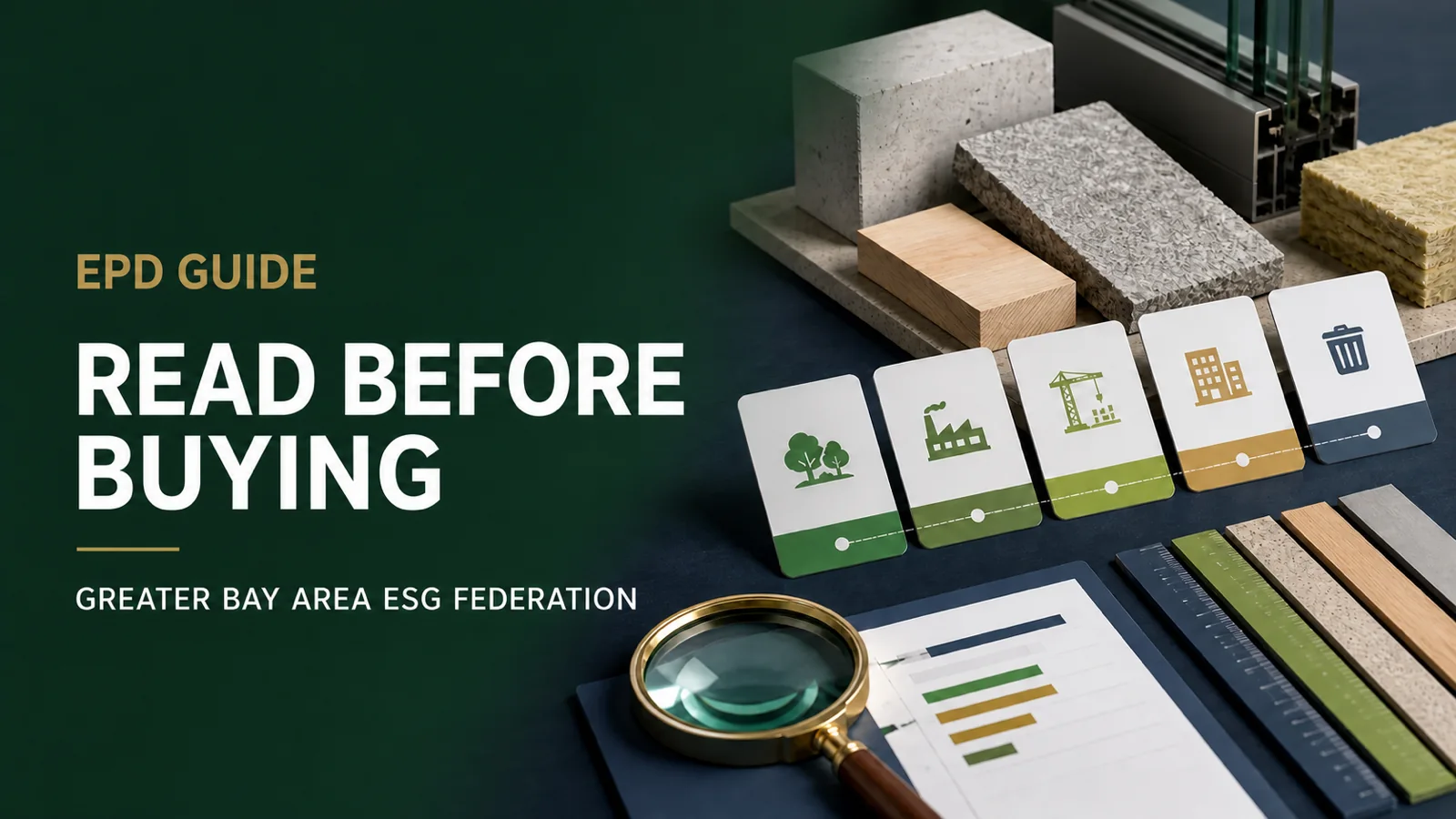
Check product category rules, declared units, lifecycle modules, geography, data quality and validity before comparing environmental product declarations.
Read article
Use BEAM Plus assessment records as structured evidence while separating design intent, construction records, operating data and certification outcomes.
Read article